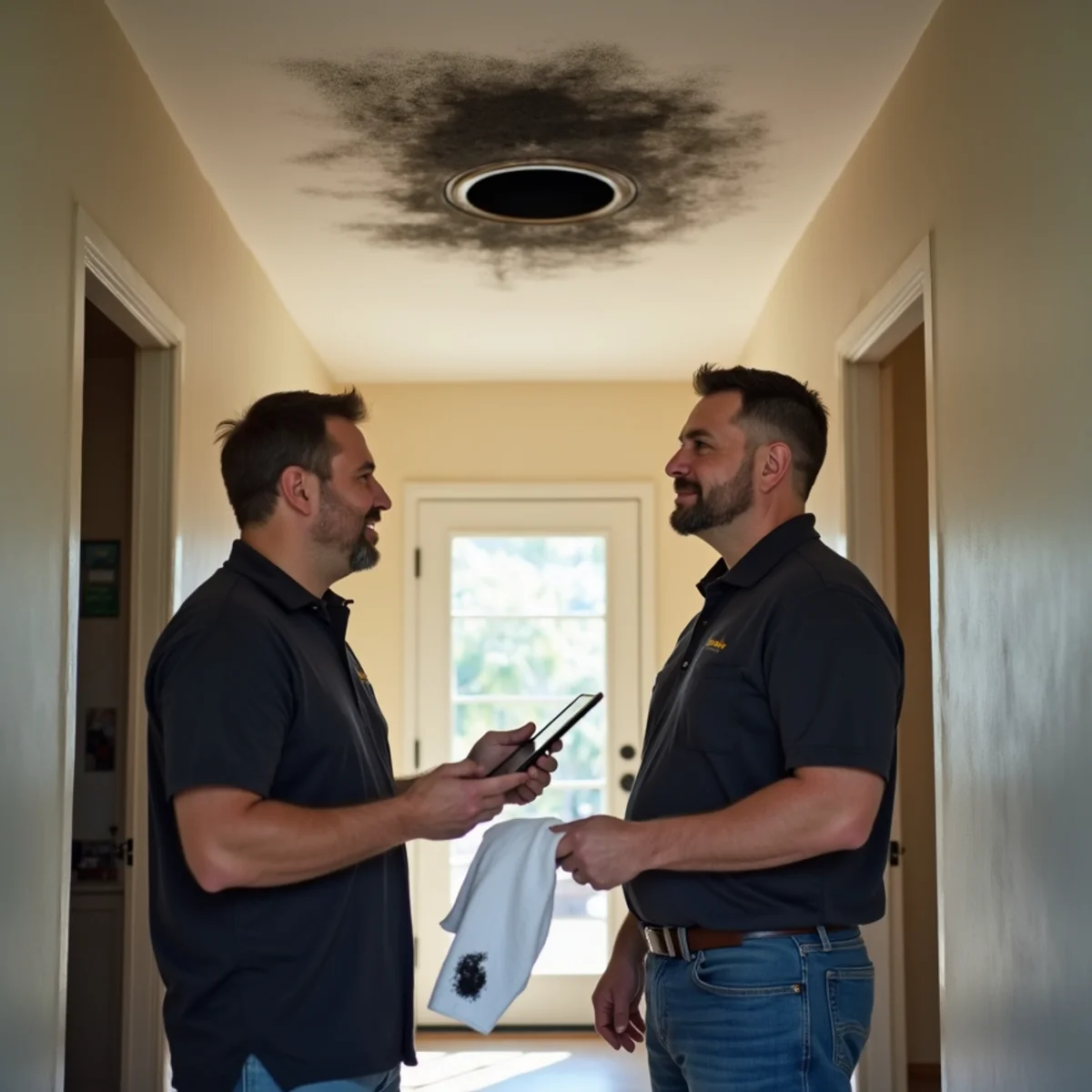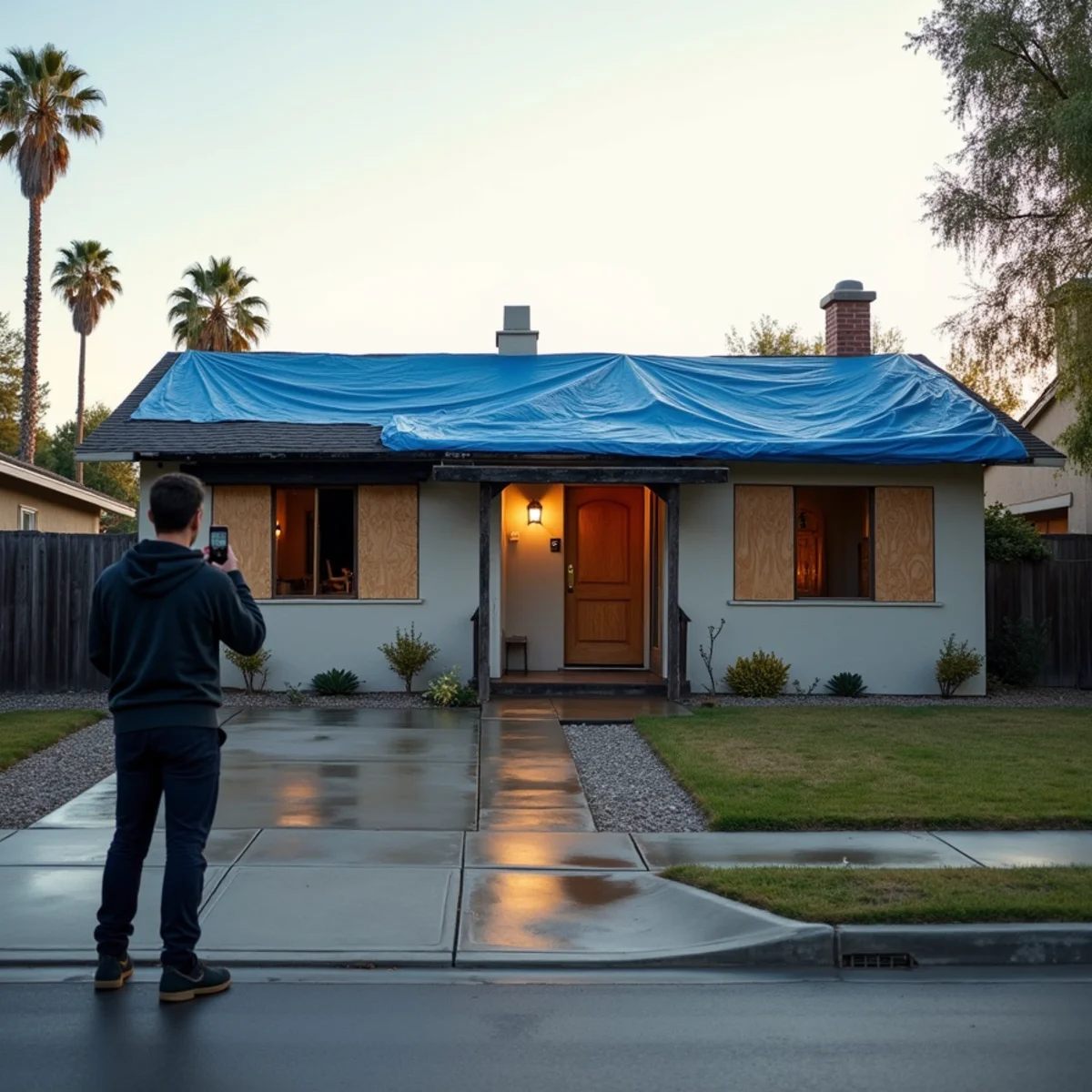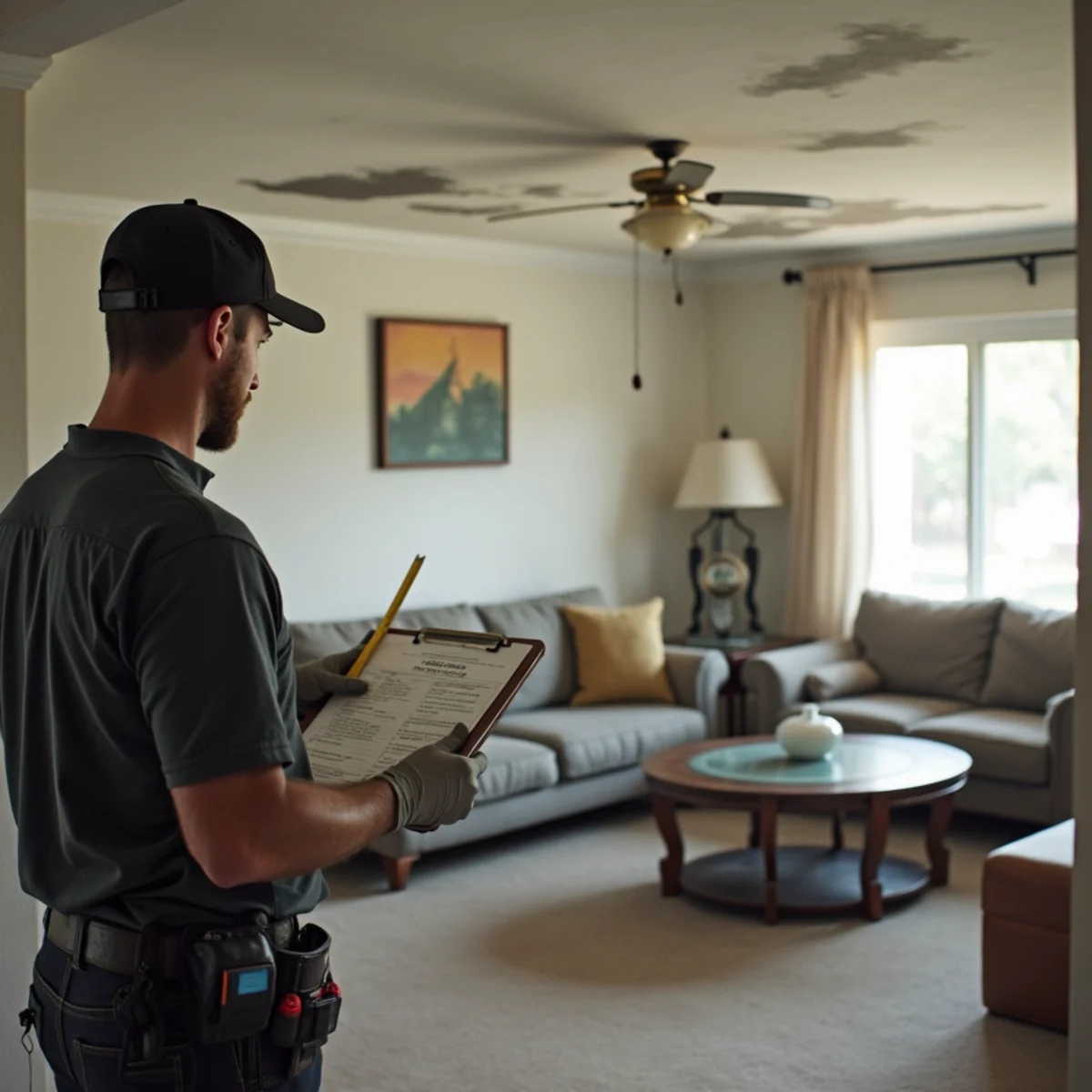
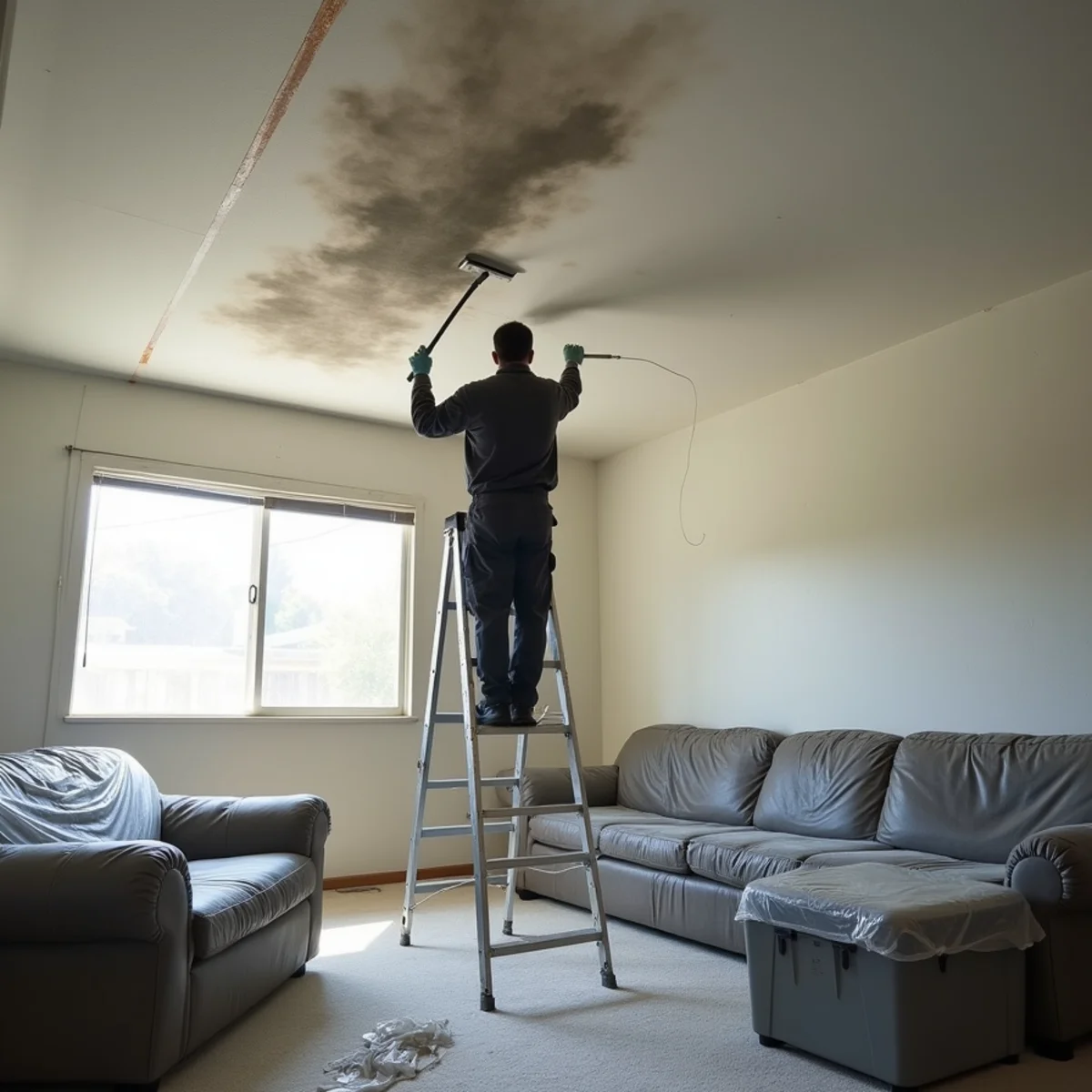
Smoke damage cleanup is the part of a fire job that reaches rooms the flames never touched. In a Buena Park ranch house, a kitchen or garage fire pushes hot smoke into the open attic and the ductwork, and it settles on ceilings, closet shelves and bedding at the other end of the house. That residue keeps working on paint, metal and fabric until someone takes it off.
Buena Park Fire & Water Damage Pros connects you with independent fire and smoke restoration contractors who clean the whole building, not just the burned room. Call (831) 303-1192 any hour to talk with a person, and get the scope and price in writing before work starts.
Reviewed by the Buena Park Fire & Water Damage Pros team · Updated · Process references: ANSI/IICRC S700 practices, South Coast AQMD Rule 1403, CSLB contractor rules
The short answer
Smoke damage cleanup in Buena Park means tracing where the smoke went, identifying the residue (dry, wet, protein or fuel) and cleaning every affected surface from the ceiling down: dry sponging and HEPA vacuuming first, then wet cleaning, then sealing what still holds odor. Ducts, the attic and contents belong in the scope, not as extras.
How smoke damages a house beyond the burned room
Hot smoke rises under pressure, and in a single-story house it escapes up: around ceiling light boxes, the attic hatch and the tops of interior walls. From an open attic it drops back into rooms at the far end of the house. If the furnace or air conditioner was running, the return pulled smoke into the ducts and the registers delivered it to every bedroom.
Buena Park ranch homes and attached garages
Roughly 57% of Buena Park homes date from the 1940s to the 1960s, and many are wood-frame ranch houses with an attached garage and one attic over both. A garage fire involving a car or stored solvents sends oily smoke through the shared wall and into an attic that spans the whole roof.
Signs smoke reached a room
- Faint dark stripes on the ceiling that follow the joists above.
- Gray streaks around outlet covers, door frames and carpet edges.
- Smoke smell inside drawers, closets and on the HVAC filter.
Firefighting adds its own damage: OCFA crews may cut roof ventilation openings and soak nearby insulation, drywall and carpet, so drying starts on the first visit, before wet materials can grow mold.
Smoke-only losses still need a full walkthrough
A fire that never left the stovetop, or one next door, can still leave residue in every room. Smoke migration follows air pressure and openings, not the floor plan, so the walkthrough traces every path from the source:
- Rooms on the same supply or return ducts as the source area, even a bedroom across the house.
- Plumbing and electrical chases, the attic hatch and the space above the ceiling.
- Wall cavities behind outlets and switch plates on walls shared with the burned room or the garage.
- Inside cabinets and closets, around registers, and on soft goods and stored contents.
Shared walls matter most in apartments. In the two-story complexes along Beach Boulevard in 90621, smoke from one unit reaches the neighbor's closet through outlet boxes and pipe openings, leaving gray outlet covers in an apartment the flames never reached. See our guide for renters and landlords after an apartment fire.
When you need smoke damage cleanup in Buena Park
Visible black soot makes the call easy. These situations are less obvious, and each one usually means the house needs more than a wipe-down and an open window:
- A fire in one room, a smell in all of them. If closets and bedrooms at the far end of the house smell like a campfire, smoke has moved through the attic or the ducts.
- A fire next door or in the unit below. Shared walls, attics and outlet boxes carry smoke into homes the fire never reached. Your own policy usually handles your side.
- Ash days. After a Santa Ana wind event carries smoke from a hillside fire, a gray film on sills and a dark return filter mean smoke got inside.
- The smell comes back when the AC runs. Residue in the ducts or the attic is being pushed back into the rooms every time the system cycles.
- You are about to repaint, sell or re-rent. Paint over smoke residue bleeds through and traps odor; buyers and new tenants notice both.
If you are not sure which of these applies, call (831) 303-1192. The person who answers can tell you whether it sounds like a cleaning job, an odor job or both.
What smoke damage cleanup includes
A complete job covers the structure, the air and the paperwork. Before work starts, the written scope shows which of these your home needs and which it does not:
- A smoke map. Every room, closet, the attic and the HVAC checked and photographed, so cleaning covers where smoke went, not only where it shows.
- Air filtration while the crew works. HEPA and carbon air scrubbers run throughout so loosened particles are captured instead of resettling on cleaned surfaces.
- Ceilings, walls and trim cleaned with methods matched to the residue, including the insides of cabinets, closets and drawers.
- Floors and windows: hard floors cleaned, carpet extracted or listed for replacement, glass and frames cleaned before residue etches them.
- HVAC work as scoped: new filters, cleaning of the air handler and metal duct runs, or replacement of flexible duct that will not come clean.
- Attic evaluation, with removal of smoke-soaked insulation and sealing of framing when the smoke reached it.
- Deodorization after cleaning, and sealing primer where stains or odor remain in drywall or wood.
- Records for your claim: dated photos, an itemized scope, and a crew member who meets your adjuster on site.
Our smoke damage cleanup process, step by step
The order matters more than any single product. Done out of sequence, cleaned rooms get dirty again and odor gets sealed in.
- Walkthrough and smoke map. The crew traces the smoke path from the source, photographs each room and the filter, and identifies the residue type.
- Written scope and price. You see every line, including what is cleaned, what is replaced and what is excluded, before any work starts.
- Protect the clean areas. Air scrubbers go on, unaffected rooms are closed off, and furniture is moved, covered or packed out.
- Dry removal first. Loose soot comes off with HEPA vacuums and dry chemical sponges, ceilings before walls, working from the cleanest rooms toward the fire.
- Wet cleaning matched to the residue. Alkaline cleaners for most surfaces, degreasers for oily or protein film, with test spots on each finish.
- Ducts and attic. The HVAC and attic work in the scope is done before final cleaning, so it cannot drop residue on finished rooms.
- Seal, deodorize and check. Primer goes on stained or odor-holding surfaces, deodorization follows, and the house is walked again with the windows closed and the system running.
Small jobs collapse several steps into one visit; a whole-house job may span days, with the scope updated in writing if opening a wall shows more.
Types of smoke residue: dry, wet, protein and fuel
What burned decides the residue, and the residue decides the method. Identify it before anyone touches a wall, because the wrong first step pushes residue deeper.
| Residue | Typical source | Look and feel | What it means for the job |
|---|---|---|---|
| Dry | Fast, hot fires in wood and paper | Powdery, dull black or gray | Most forgiving; dry methods remove much of it |
| Wet | Smoldering plastics, rubber and foam | Sticky, smeary, sharp smell | Needs degreasers, more passes and often sealing |
| Protein | Cooking fires: meat, beans, grease | Nearly invisible yellow-brown film, heavy odor | Discolors paint and varnish; odor control is a big share |
| Fuel | Furnace puff-backs, garage fires with gasoline or oil | Dense, black and oily | Porous materials and soft goods often replaced |
Most fires leave a mix: a stove fire that spread to a plastic trash can leaves protein film on the cabinets and wet smoke on the ceiling. Our soot removal page goes surface by surface on how dry and oily soot come off, and kitchen fire cleanup covers protein smoke from cooking fires.
Cleaning by surface: painted drywall, ceilings, cabinets, flooring, windows
Cleaning runs from the top of each room down, and from the least damaged rooms toward the fire, so finished surfaces are not recontaminated. A test area on each surface shows whether cleaning will work or whether sealing and repainting is the better use of the budget.
Painted drywall and ceilings
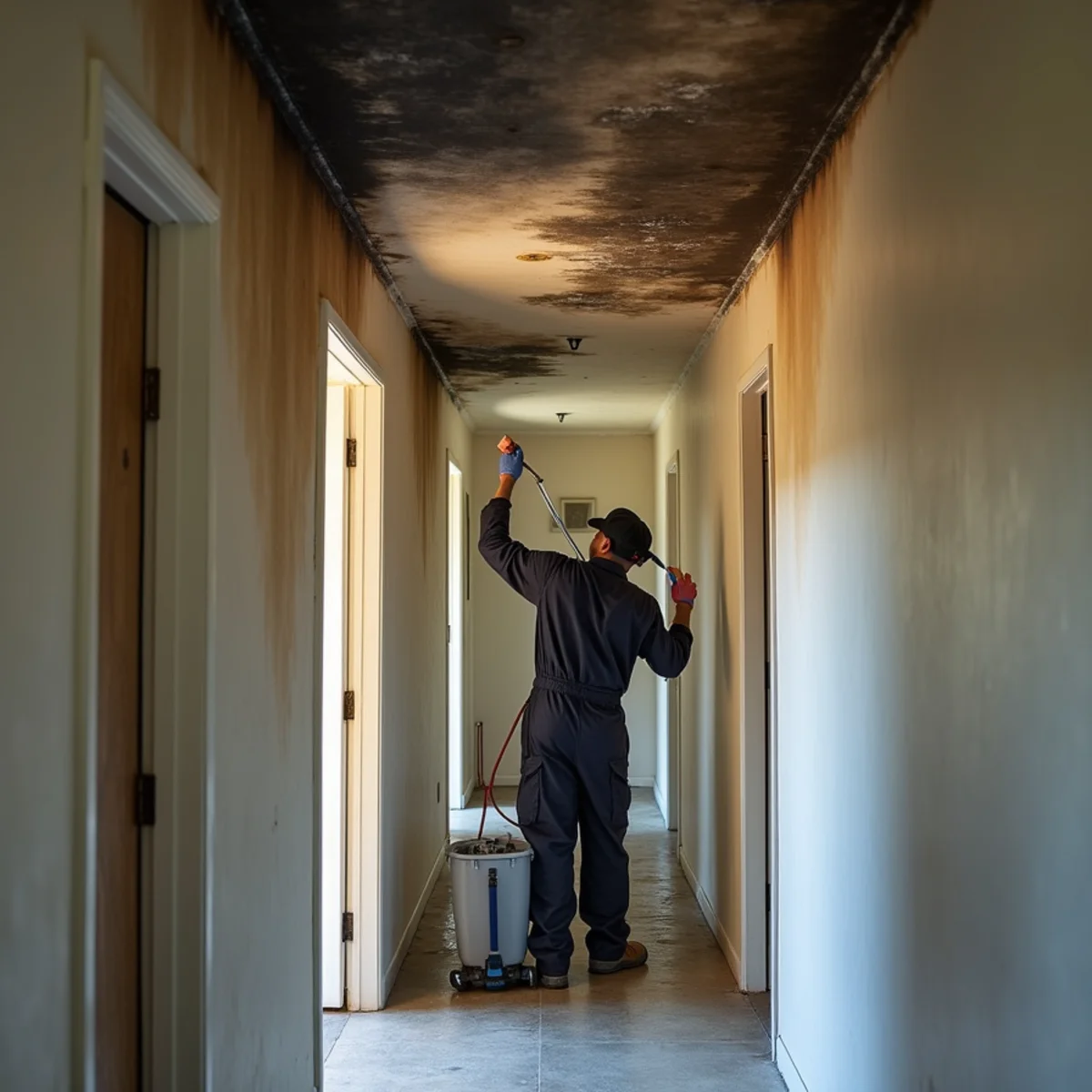
Walls are dry sponged or HEPA vacuumed, then washed with an alkaline cleaner. Satin and semi-gloss paint clean well; flat paint often keeps a shadow and gets an odor-blocking primer and a fresh coat. Ceilings hold the most residue and are the hardest to clean evenly, so textured ones are often sealed and repainted. Charred or hose-soaked drywall comes out, and an acoustic ceiling in a pre-1980 house is tested for asbestos before anyone scrapes it.
Cabinets
Smoke slips in around cabinet doors, so interiors and dishes need cleaning even when the fronts look fine. Protein residue can yellow a varnished finish enough to call for refinishing, and particleboard boxes swollen by hose water are replaced.
Flooring and windows
Lightly affected carpet is hot-water extracted and deodorized; heavily soiled or hose-soaked carpet and pad are usually cheaper to replace. Hardwood, tile and vinyl are cleaned. Glass and window frames are done early, because acidic residue etches glass and pits metal, and the deep tracks of older aluminum sliders get vacuumed before any wiping.
HVAC and duct cleaning after a fire
In most Buena Park ranch homes the furnace sits in a hall closet or the garage, with ducts running across the attic to ceiling registers. If the system ran during the fire, smoke went through the filter, blower and every duct. Turning it on before cleaning blows residue back into rooms that were just washed.
What gets assessed before cleaning or replacement is decided
- Did the system run? During the fire, after it, or both. A thermostat schedule or someone switching on the AC to clear the smell counts.
- Which paths are involved? Supply runs and the return are mapped against the rooms that show residue, so a sooty bedroom can be traced to its register.
- What the parts show. Registers and grilles, the filter and its slot, the air handler cabinet and the inside of several duct runs.
- What surrounds the ducts. Duct wrap, insulation around attic runs and the wall cavities beside the return.
Only then does the scope say clean, replace or leave alone, run by run. The work itself follows a set order:
- Shut it down. The system stays off and registers are covered while the house is cleaned.
- Inspect. The filter, blower compartment and several duct runs show how far residue traveled.
- Clean or replace ducts. Sheet metal is cleaned under negative air with HEPA collection; flexible duct rarely cleans well and is often replaced.
- Clean the equipment and restart. The blower, coil and plenum are cleaned, filters replaced, and registers checked for smell after the first cycles.
Ask whether ducts are in the scope. A clean house with dirty ducts smells like smoke again the first hot afternoon the AC comes on. If a smell outlasts the cleaning, see smoke odor removal.
Attics and insulation in Buena Park ranch homes: where smoke hides
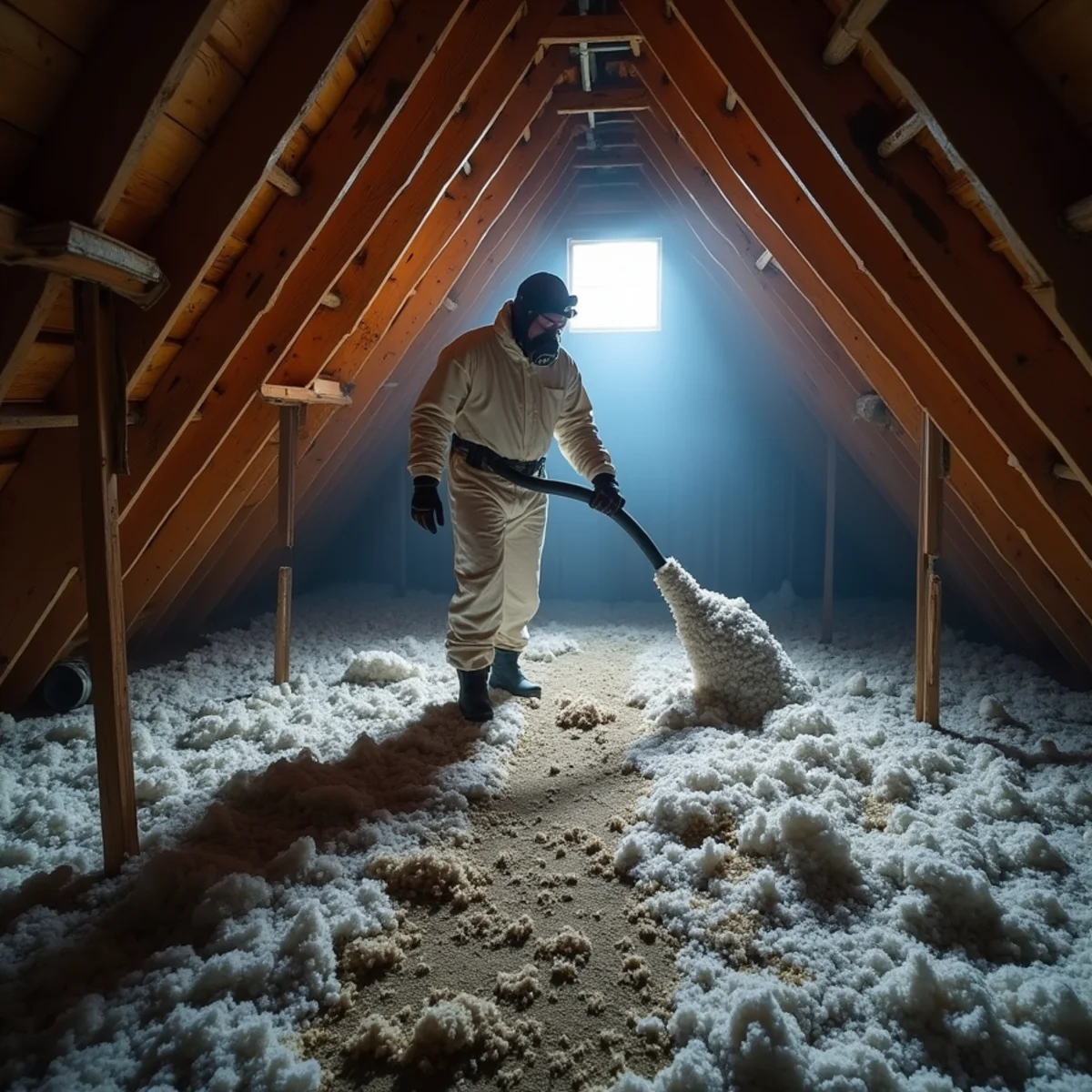
The attic over a ranch house is one connected space, so smoke that reaches it coats the rafters and roof sheathing over every room and soaks into the insulation. Insulation holds odor in its air pockets and is usually vacuumed out with a HEPA-filtered system rather than cleaned. The framing is then HEPA vacuumed, sponged where soot is heavy and sealed with a shellac or oil-based primer before new insulation goes in. Skipping the attic is the most common reason smoke smell returns months later.
Some older insulation, duct wrap and tape can contain asbestos. South Coast AQMD Rule 1403 requires a survey before renovation or demolition, with only a narrow exception for single-family homes disturbing under 100 square feet. If anything tests positive, a separately certified abatement contractor removes it first; Buena Park Fire & Water Damage Pros does not offer abatement.
Wildfire smoke and ash: cleanup when the fire was miles away
Buena Park has no wildland edge, but Santa Ana winds carry smoke and ash across north Orange County from canyon and hillside fires, as they did during Canyon Fire 2 in 2017, the Blue Ridge and Silverado fires in 2020 and the Airport Fire in 2024. The smoke gets in through attic vents and gaps around older windows, leaving a fine film on sills and fan blades, ash near the vents and a smell in fabrics.
- New HVAC filters and a look inside the ducts.
- HEPA vacuuming and dry sponging of sills, tracks and fixtures.
- An attic check for ash near each vent.
- Laundering drapes and bedding, with HEPA and carbon air scrubbers running.
Skip the leaf blower on outdoor ash; it puts fine particles back in the air.
Why timing matters: staining, etching and corrosion in the first days
Smoke residue is acidic. Within days it can etch glass, pit chrome and aluminum, and yellow plastics like switch plates. The longer it sits, the deeper it sets into paint and wood finishes, so a surface that would have washed clean in week one may need refinishing a month later.
- Wet materials: drying of hose-soaked drywall, insulation and carpet starts right away.
- Extinguisher powder: dry chemical (ABC) powder turns mildly corrosive with moisture, so it comes off electronics and metal early.
Restorers call this secondary damage: corrosion, staining and moisture problems caused by residue and water left in the house, not by the flames. It keeps growing while you wait, so metal fixtures, electronics and wet materials go first.
Call (831) 303-1192 once the fire department releases the house, and the nearest available crew can start with documentation and the steps that cannot wait.
What affects the price of smoke damage cleanup
No two smoke jobs price the same, which is why the number comes after the walkthrough. These are the variables that move it:
- How many rooms smoke reached, including closets, the garage and the attic, not just the room that burned.
- The residue. Dry soot from wood and paper cleans faster than oily soot from plastics or near-invisible protein film from cooking.
- Ceiling texture and paint. Acoustic popcorn ceilings and flat paint resist cleaning and often move to sealing and repainting; pre-1980 textures may need an asbestos survey first.
- HVAC scope. Cleaning metal ducts and the air handler costs less than replacing flexible duct that holds odor.
- Attic insulation. Removing and replacing smoke-soaked insulation is one of the largest swing items on a ranch house.
- Contents. How much has to be packed out, cleaned or listed for the adjuster.
- Access and size. A two-story apartment unit or a large home takes more labor and equipment time than a single-story house.
Ask any contractor to price each of these as its own line. For published planning ranges, see what fire damage restoration costs in Orange County.
Smoke damage and your insurance claim (California DOI Bulletin 2025-7)
Most California homeowners (HO-3) and renters (HO-4) policies cover sudden fire and smoke damage, including firefighting water, and many pay additional living expenses. Terms vary, so read your own policy.
After the January 2025 Los Angeles fires, the California Department of Insurance issued Bulletin 2025-7 in March 2025, telling insurers that smoke damage claims must be fully and fairly investigated. It addresses properties in or near wildfire areas and does not mean every claim gets paid, but it supports asking for a real inspection. Our guide to smoke damage insurance claims in California explains it.
- Dated photos of every affected room, closet and the HVAC filter, taken before cleaning.
- An itemized scope separating cleaning, sealing, replacement, ducts and attic work.
- Separate lines for smoke residue, odor treatment, firefighting water and drying, and secondary damage such as corroded fixtures.
- A contents inventory, and the crew meeting your adjuster on site.
You choose the contractor; your insurer cannot require you to use theirs. That comes from California's Fair Claims Settlement Practices Regulations (10 CCR 2695.9), which also say an insurer that suggests a restoration company has to put in writing that you are free to pick your own. Only a licensed public adjuster or an attorney can negotiate the claim for you. Every fire restoration crew we send is licensed where California requires it, and insured.
The same crews handle smoke damage cleanup in La Palma, smoke and fire cleanup in La Mirada and smoke damage restoration in Cerritos. See every fire and smoke restoration service area near Buena Park.
Why Buena Park calls Fire & Water Damage Pros for smoke damage cleanup
The smoke path, not just the burned room
Crews map every room on the same ducts and attic as the source, so the scope covers the closet at the far end of the hall too.
A person answers at any hour
Call (831) 303-1192 day or night. Documentation and air filtration can start as soon as the fire department releases the house.
Scope and price before the first wipe
Each room, the ducts and the attic are separate lines in writing, so you can compare quotes and see what your adjuster is approving.
Records your adjuster can use
Dated photos, the residue type, and a crew member at the adjuster walkthrough. No promises about what your insurer pays.
Every fire restoration crew we send is licensed where California requires it, and insured.
Smoke Damage Cleanup: common questions from Buena Park
Can smoke damage be cleaned or do the walls have to be replaced?
Most smoke-damaged walls are cleaned, not replaced. Painted drywall is dry sponged, washed and, where staining or odor remains, sealed with an odor-blocking primer and repainted. Replacement is for drywall that is charred, blistered, soaked by firefighting water or holding odor that sealing will not stop. A test area on each wall settles it before the scope is written.
Is it safe to stay in a house with smoke damage?
Soot is fine particulate (PM2.5) that can irritate the lungs. If smoke reached the living areas, plan to stay elsewhere until cleanup is done, especially anyone with asthma or a heart or lung condition, children, pregnant people and older adults. Follow your doctor's advice. Many policies pay additional living expenses while the home is unlivable.
Does insurance cover smoke damage if the fire was next door?
In many cases, yes. Homeowners and renters policies generally cover sudden smoke damage whether the fire started in your home, next door or on a hillside miles away. File under your own policy and document the residue before cleaning. Bulletin 2025-7 reminds insurers to fully and fairly investigate smoke claims near wildfire areas. Read your policy for exact terms.
How long does smoke damage cleanup take?
Light smoke in a few rooms often takes a few days. A whole-house job with attic insulation, ducts and sealing can run one to several weeks, longer with an asbestos survey or repairs. You get an expected timeline, along with the scope and price, in writing before work starts.
Why should HVAC ducts and wall cavities be inspected after a fire?
Because both move and hold smoke out of sight. A system that ran during the fire pulled residue through the return and out of every register, and wall cavities collect smoke through outlet boxes and pipe gaps. Skip either and cleaned rooms pick up residue and odor again once the AC runs. The inspection decides whether each duct run is cleaned, replaced or left alone.
Smoke Damage Cleanup beyond Buena Park
The same crews cover the cities around Buena Park, 5 to 20 minutes out by I-5, SR-91 and Beach Boulevard. See how smoke damage cleanup works in the housing stock of each city, or view all fire restoration service areas.