Soot removal is slow, careful work, and most of the care goes into the first pass. Soot is carbon coated in oily, acidic compounds, and it clings to whatever it lands on. Wipe it wet and it smears into the paint; vacuum it with a household machine and the finest particles blow back out of the exhaust.
Buena Park Fire & Water Damage Pros connects Buena Park homeowners, renters and landlords with independent fire and smoke restoration contractors who remove soot surface by surface. Call (831) 303-1192 at any hour, describe what you see, and get the scope and price in writing before work begins.
Reviewed by the Buena Park Fire & Water Damage Pros team · Updated · Process references: ANSI/IICRC S700 practices, South Coast AQMD Rule 1403, CSLB contractor rules
The short answer
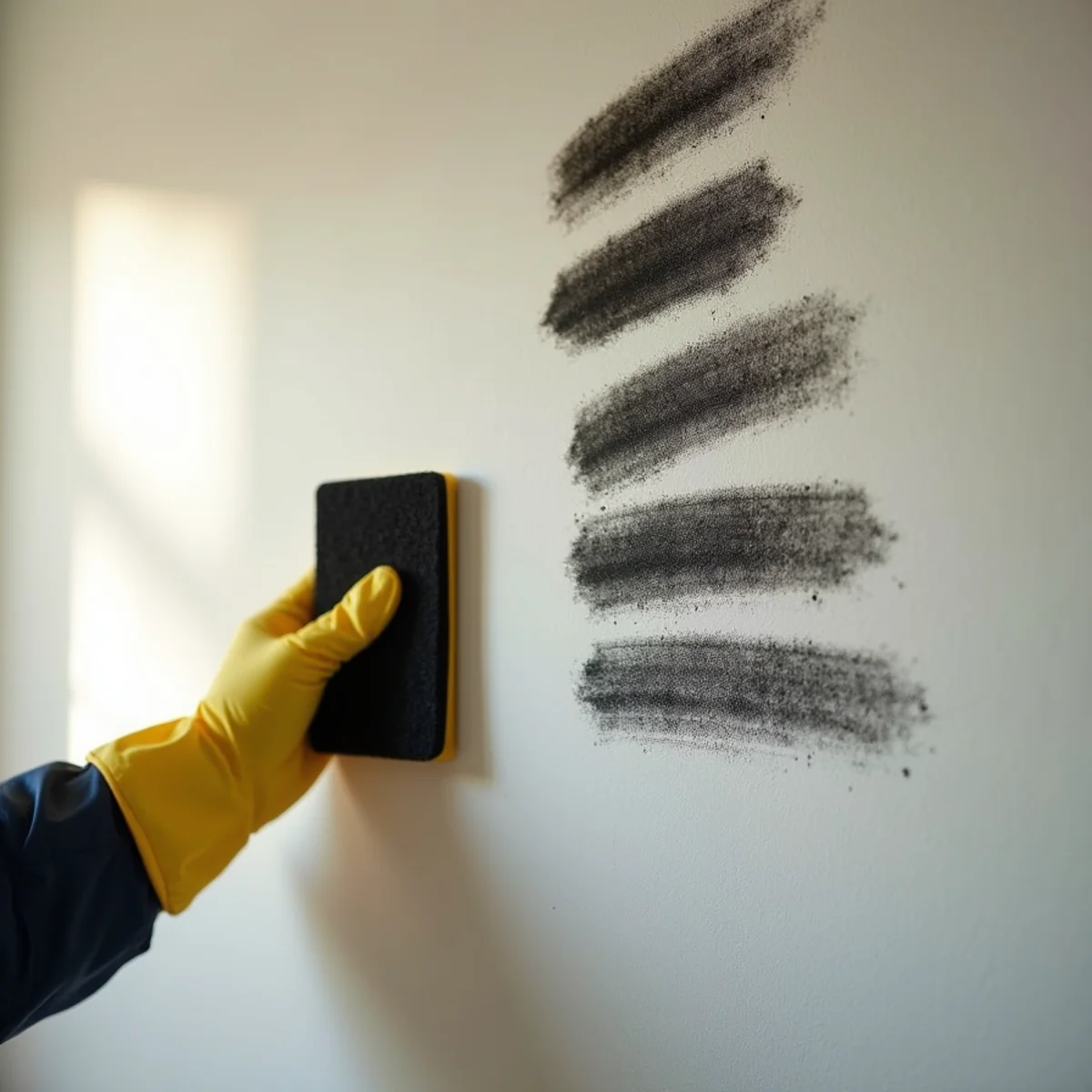
Professional soot removal starts dry: HEPA vacuuming and chemical sponges made of vulcanized rubber lift loose soot without smearing it. Only then do technicians wet-clean with an alkaline cleaner or degreaser matched to the residue, rinse, and seal anything that still stains. Dry soot comes off fairly easily; oily soot from burned plastics needs stronger cleaners and more passes.
What soot is and why wiping it makes it worse
Soot is carbon from incomplete burning, coated in tars, oils and acids. Many particles are fine enough to count as PM2.5, smaller than the pores in flat paint or the weave of a fabric. A wet rag dissolves the oily part and carries the carbon into those pores, turning a gray film into a permanent stain. Hard rubbing with a dry cloth does the same thing more slowly.
The order that works
- Test a small patch to see whether the soot is dry or oily and how the finish reacts.
- HEPA vacuum loose soot with a soft brush held just off the surface.
- Dry sponge in straight, overlapping strokes. The sponge grabs particles instead of pushing them, and its face is sliced off as it loads up.
- Wet clean with an alkaline cleaner or degreaser in small sections, then rinse.
- Seal any remaining stain or odor with a shellac or oil-based odor-blocking primer before paint.
What decides the method, and what is not worth cleaning
Before the first sponge pass, a technician reads four things: the residue, the material under it, how porous that material is and how much heat it took. The gray film that lifts off a semi-gloss door frame sinks into raw wood, and a surface that blistered in the heat is past cleaning however light the soot looks. These usually go on the replace list instead:
- Charred: blackened, cracked or blistered material where heat went into the surface, not just onto it.
- Structurally compromised: drywall softened by hose water, sagging ceiling board, warped trim.
- Permanently stained: porous surfaces where a test patch still shows a shadow after full cleaning.
- Unsafe to restore: melted plastic fixtures and heat-damaged switches or outlets. Suspect asbestos material is left alone until a survey clears it.
Signs you need professional soot removal
A single candle mark is a weekend chore. These are the signs the job has moved past a sponge from the hardware store:
- It smears instead of lifting. Oily soot from burned plastics or a furnace puff-back spreads when touched and needs degreasers and several passes.
- It is on more than one wall. Soot on the ceiling, the tops of door frames and the inside of closets means it traveled through the room's air, not just from one source.
- The ceiling is textured. Popcorn and other acoustic ceilings tear under a sponge, and in homes built before 1980 they may need an asbestos survey before anyone disturbs them.
- It came back through the paint. Yellow or brown shadows through a fresh coat mean the residue was never removed or sealed.
- It is on electronics, fabrics or brick. Each needs a different method, and the wrong first step sets the stain.
- Someone in the home has asthma or a heart or lung condition, or you plan to file an insurance claim and need the surfaces documented first.
What our soot removal service includes
Soot removal is priced and performed surface by surface. A typical scope lists:
- A residue test and surface list for each room: what the soot is, what it sits on, and the method chosen for each surface.
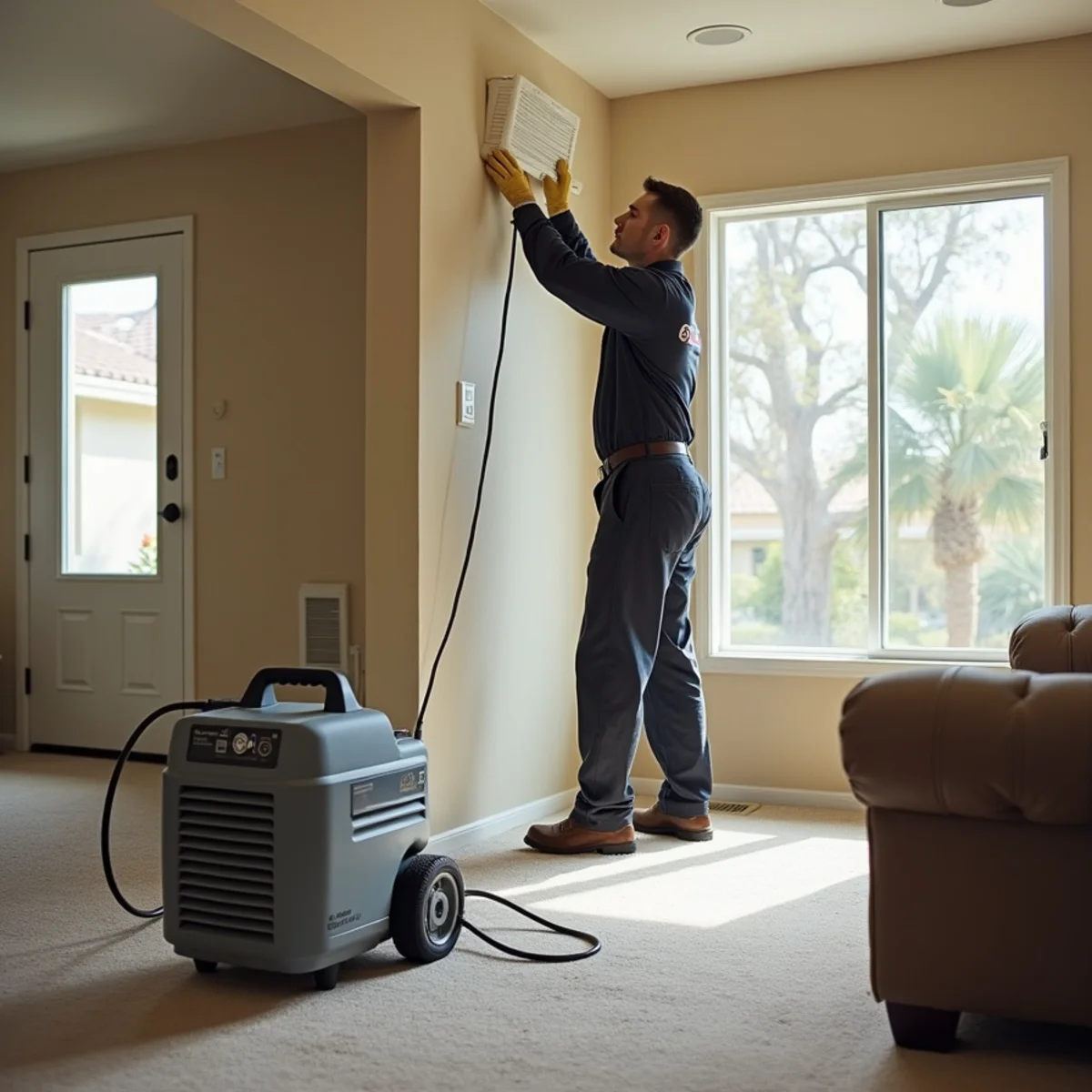
- Protection for the rest of the house: plastic sheeting at doorways, air scrubbers with HEPA and carbon filters, and the HVAC kept off.
- HEPA vacuuming and dry sponging of ceilings, walls, trim, cabinets and fixtures before any liquid is used.
- Wet cleaning matched to the finish: alkaline wash for painted surfaces, degreasers for oily residue, masonry cleaner for brick and stone.
- Early cleaning of metal and glass, where acidic soot causes pitting and etching first.
- Furniture, fabrics and electronics cleaned on site or sent to contents cleaning as the scope specifies.
- Sealing primer on any surface that still shows a shadow after full cleaning, before paint.
- Before and after photos of each surface, kept with the scope for your records or your adjuster.
Our soot removal process, room by room
The surface technique is only half the job. The other half is the order the house is worked in, so clean rooms stay clean:
- Document and test. Every sooted surface is photographed, then a small patch on each finish shows whether the residue is dry or oily and how the paint reacts.
- Set up. Air scrubbers go on, doorways to unaffected rooms are sealed with plastic, and floors are covered.
- Clear the room. Belongings are moved out or covered so they do not catch soot falling from the ceiling.
- Ceiling, then walls, then floor. Each surface is vacuumed and dry sponged first, working from the least sooted rooms toward the worst.
- Wet clean and rinse in small sections, changing water and sponges often so soot is lifted, not moved.
- Inspect in daylight. A clean white cloth wiped across each finished surface shows whether anything is left; spots get another pass or go on the sealing list.
- Seal, then hand the room back. Primer goes on what stayed stained, the room is aired out with filtered air, and the photos and scope are updated.
Dry soot vs oily soot: how each is removed
Whether the residue is dry or oily sets the products and the number of passes.
| Check | Dry soot | Oily soot |
|---|---|---|
| Usual source | Hot fires in wood and paper; fireplace smoke | Smoldering plastics and foam; furnace puff-backs; fuel |
| Feel | Powdery; dusts off a fingertip | Sticky; smears when touched |
| Dry sponge test | Most of it lifts | Little lifts; the sponge streaks |
| Main method | HEPA vacuum, dry sponge, mild alkaline wash | HEPA vacuum, then degreasers over several passes |
Dry soot is forgiving: a careful sponge pass takes off most of it, unless a wet wipe got there first.
Oily soot comes from synthetics like vinyl blinds, foam and electronics. It needs a degreaser that emulsifies the oils so they rinse away, often over two or three passes. Porous materials coated in it, like acoustic tile and raw wood, are often sealed or replaced.
Walls and ceilings, including acoustic 'popcorn' ceilings in pre-1980 homes
Walls are worked top down in straight lines, since circles grind soot into the paint. Semi-gloss trim cleans easily; flat paint holds soot and often needs primer and paint to look even. Textured ceilings take longer, because a sponge only reaches the raised points.
Primer and paint are the last step, not the first. They go on once every surface in the room is cleaned, hose-soaked drywall has dried or been replaced, and the crew has settled what stays. Primer rolled over damp board or leftover soot seals the problem in.
Popcorn ceilings
Many Buena Park houses built before 1980 still have the original acoustic 'popcorn' ceiling, which can contain asbestos and is close to impossible to clean: sponges tear it and water loosens it. Light soot can sometimes be HEPA vacuumed with a brush held just off the surface. Heavier soot usually means the texture comes off.
Under South Coast AQMD Rule 1403, an asbestos survey comes before renovation that disturbs it, whatever the age of the house; the only carve-out is a single-family home disturbing less than 100 square feet. A positive sample means a separately certified abatement contractor removes it; Buena Park Fire & Water Damage Pros does not offer abatement. Sanding walls in pre-1978 homes calls for lead-safe practices.
Brick, stone and fireplace surrounds
Brick and stone are rough and porous, so soot settles into the pores and mortar joints. Fireplace surrounds take the worst of it, usually a black fan shape above the firebox from a fire that backdrafted.
- Dry first: a soft brush and HEPA vacuum clear the face and joints.
- Masonry cleaner: an alkaline cleaner or poultice, worked in with a stiff nylon brush, never wire, and rinsed with as little water as possible.
- No acid unless a mason calls for it: acid can burn mortar and etches limestone and marble.
- Rough used brick may never come fully clean and is sometimes sealed instead.
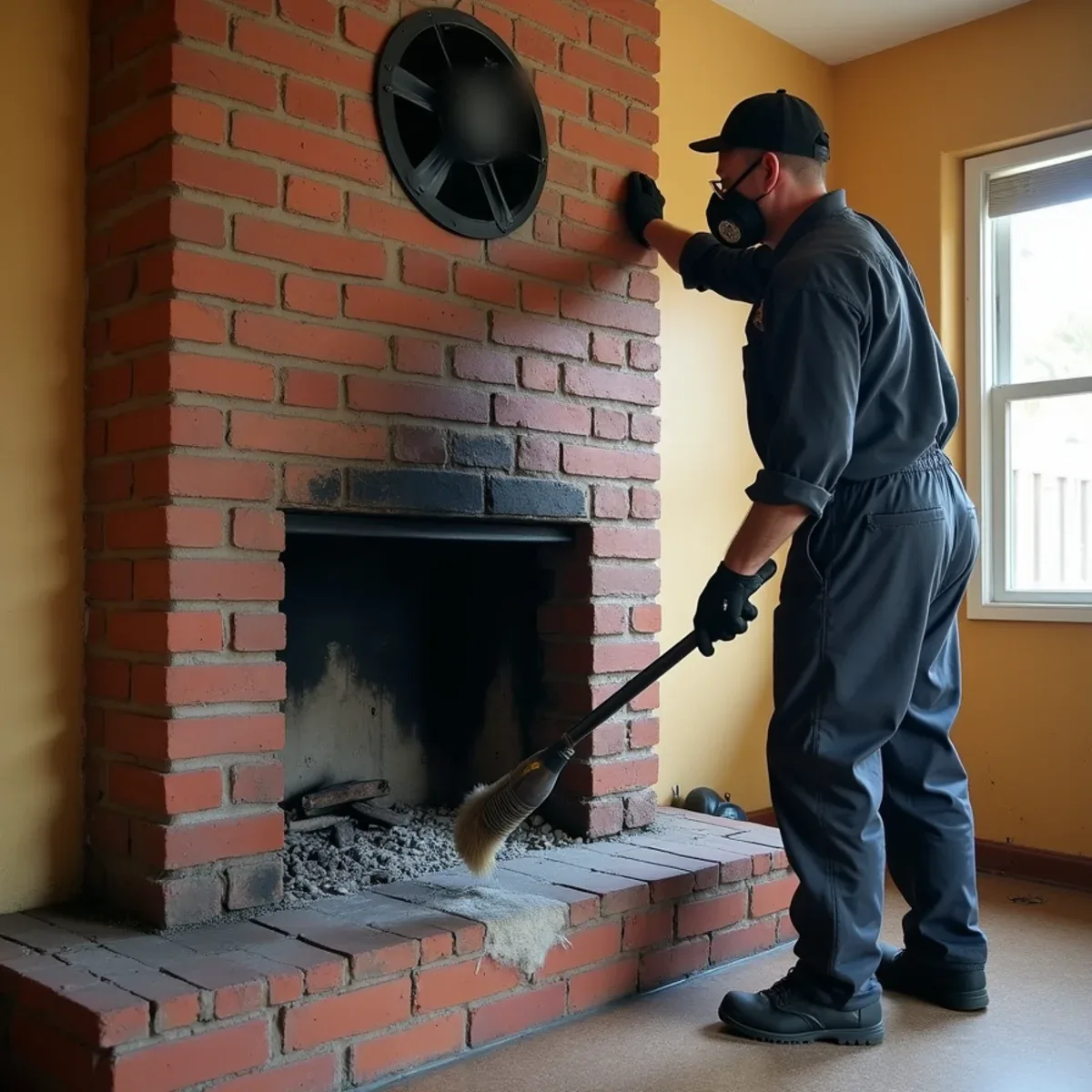
Fresh soot above the hearth points to a draft problem, so have a chimney sweep check the flue and damper before the next fire.
Soot on furniture, carpet, clothing and electronics
- Furniture: finished wood is dry sponged, then cleaned gently. Upholstery is vacuumed and sponged before any wet cleaning, since shampoo sets soot. Foam cushions are often replaced.
- Carpet: slow HEPA vacuuming, a soot spotter, then hot-water extraction. Gray bands along walls and under doors may not clear completely.
- Clothing and linens: do not shake them indoors. A laundry or dry cleaner using smoke-specific processes does better than a home wash, which can set soot and gray the fabric.
- Metal fixtures and hardware: acidic soot on chrome faucets, brass door hardware, aluminum window frames and appliance trim can leave dull, pitted spots within days, so metal is cleaned early, ahead of surfaces that can wait.
- Electronics: soot is acidic and conductive, so keep devices unplugged and off until a specialist opens, cleans and tests them. Dishes and metal decor often go through ultrasonic tanks.
Our contents cleaning and pack-out page explains how belongings are inventoried, cleaned and stored.
Soot without a house fire: candles, fireplaces, furnaces and cooking
Many soot calls come from homes that never had a fire, usually small jobs paid out of pocket.
- Candles: jar candles with long wicks leave black soot on the ceiling above them, on door frame tops and on cool exterior walls. Trim wicks and burn fewer.
- Fireplaces: a closed damper or cold flue pushes smoke into the room.
- Furnaces: a gas furnace or water heater out of adjustment can puff oily soot through registers. It is not burning cleanly, so have a licensed HVAC technician inspect it and keep carbon monoxide alarms working.
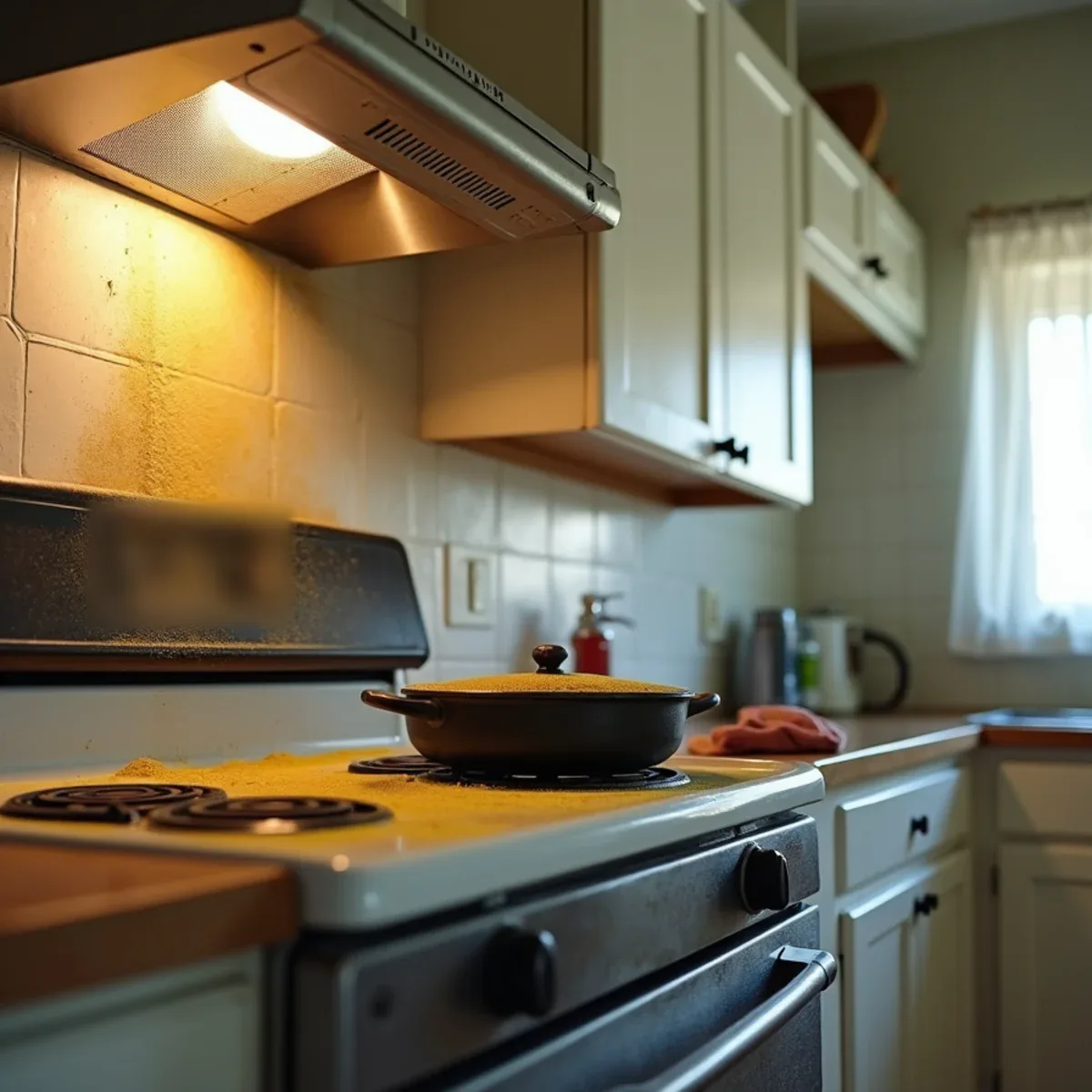
- Cooking: a burned pan of oil leaves a sticky film on ceilings and cabinets. For more than a scorched pot, see kitchen fire cleanup.
Health and safety: fine particles, HEPA vacuums and protective gear
Cleaning stirs fine soot particles into the air you breathe. People with asthma or heart or lung conditions, children, pregnant people and older adults should stay out until the work is done and follow their doctor's advice. Crews work with:
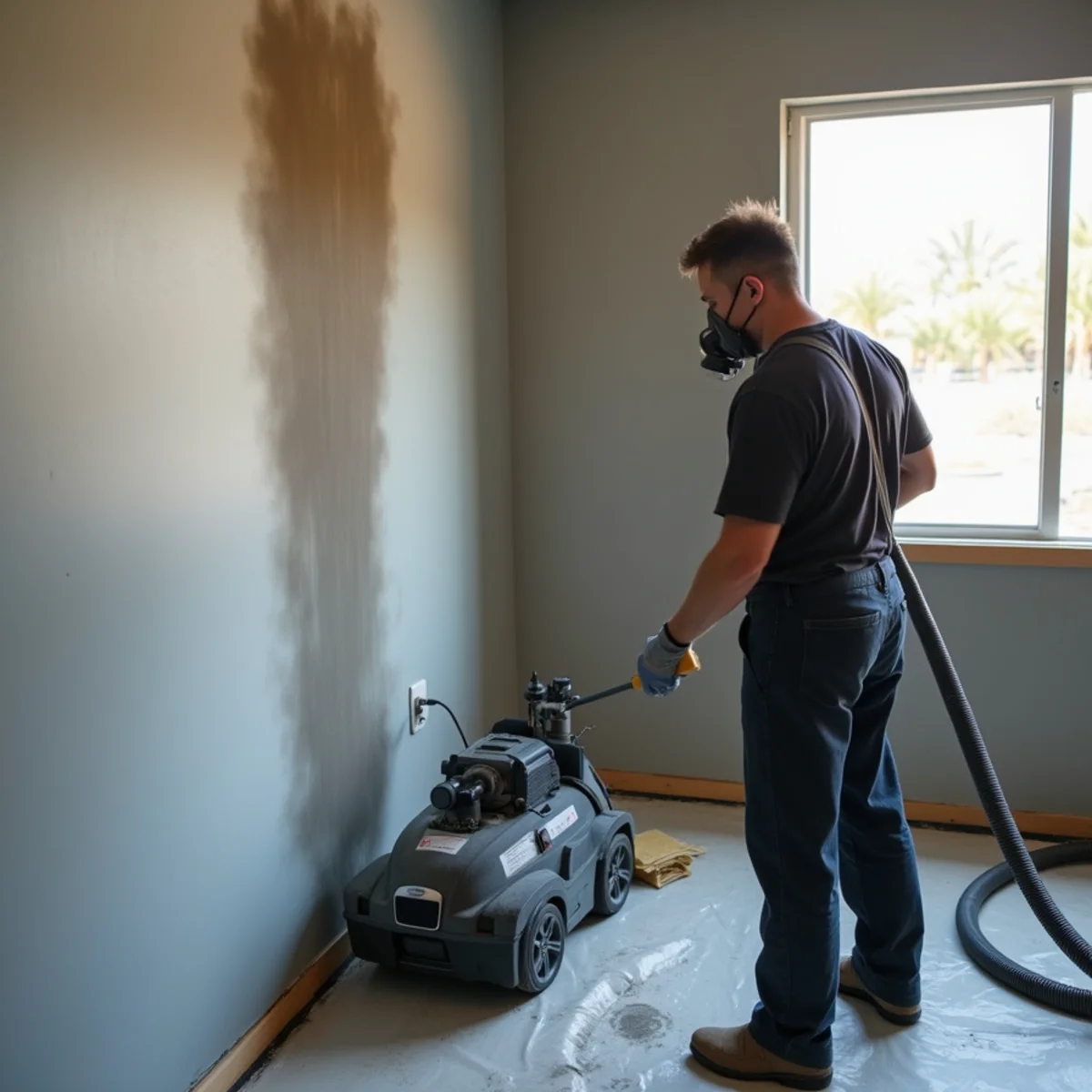
- N95 or half-face P100 respirators, nitrile gloves, eye protection and coveralls.
- HEPA vacuums that hold fine particles instead of blowing them out.
- Air scrubbers with HEPA and carbon filters, and plastic sheeting around the work area.
Keep the HVAC and fans off and do not sweep. A smell that stays after the soot is gone is covered on our smoke odor removal page; soot spread through the attic and ducts calls for whole-house smoke damage cleanup.
What affects soot removal cost
Pricing follows a look at the residue, with the scope and price in writing before work starts. What moves the number:
- Dry or oily residue, and how many passes it needs.
- Square footage of walls and ceilings, and ceiling height.
- The surface mix: drywall, popcorn ceilings, brick, cabinets.
- Asbestos or lead testing in older homes.
- Contents to clean, and furniture to move.
When you compare quotes, ask whether the work plan follows ANSI/IICRC S700, the standard restorers use for fire and smoke residue, and whether the scope names a method for each surface and lists what will be replaced instead of cleaned.
Every fire restoration crew we send is licensed where California requires it, and insured. Crews cover soot removal in La Palma, soot cleanup in La Mirada, soot and smoke cleaning in Cerritos and all our fire restoration service areas around Buena Park. Call (831) 303-1192 to describe the soot and where it is.
Why Buena Park calls Fire & Water Damage Pros for soot removal
No wet rag on the first pass
Every surface gets HEPA vacuuming and a dry sponge before liquid, so soot comes off instead of being pushed into paint and grout.
A method for each surface, in writing
Drywall, popcorn ceilings, brick, cabinets and electronics each get a named method and price line before work starts.
Older-home caution built in
Pre-1980 textures and paint are flagged for an asbestos survey or lead check before anyone scrapes or sands, as Buena Park's housing requires.
Small jobs welcome, any hour
Candle, fireplace and furnace soot calls are answered at (831) 303-1192 just like fire calls, with the scope in writing either way.
Every fire restoration crew we send is licensed where California requires it, and insured.
Soot Removal: common questions from Buena Park
Can I clean soot off walls myself?
For a small patch of dry soot, like a candle mark, you can try: vacuum it lightly with a HEPA vacuum, use a dry soot sponge in straight strokes, then wash with a mild degreaser and rinse. Stop if it smears. Large areas, oily soot, popcorn ceilings and real fire residue are better left to a crew.
Why did the stain come back after I painted over soot?
Latex paint does not block soot. Its oils and acids bleed through water-based paint as yellow or brown shadows, often within days, and the smell comes with them. Clean the surface first, seal it with a shellac or oil-based odor-blocking primer, then paint.
Is soot dangerous to breathe?
Soot is fine particulate matter (PM2.5) that can irritate the lungs, and soot from burned plastics carries other combustion byproducts. People with asthma or heart or lung conditions, children, pregnant people and older adults should stay out of sooted rooms until cleanup is finished. If you have symptoms, talk to your doctor.
Can soot-covered electronics be saved?
Often, if they are handled soon and not powered on. Soot can corrode circuit boards and cause shorts, so leave the device unplugged for a specialist to open, clean and test. Items with heat damage or melted housings are less likely to be saved.
Why does soot need professional cleaning when I can barely see it?
Faint soot is still soot. The finest particles settle as a thin gray or yellowish film that the eye misses on light paint, on top of door frames and inside cabinets, and protein residue from cooking is close to invisible. It is acidic, it keeps working on finishes and metal, and it carries the smell. A wet wipe usually streaks it, so a crew tests and dry-cleans it first.
Soot Removal beyond Buena Park
The same crews cover the cities around Buena Park, 5 to 20 minutes out by I-5, SR-91 and Beach Boulevard. See how soot removal works in the housing stock of each city, or view all fire restoration service areas.